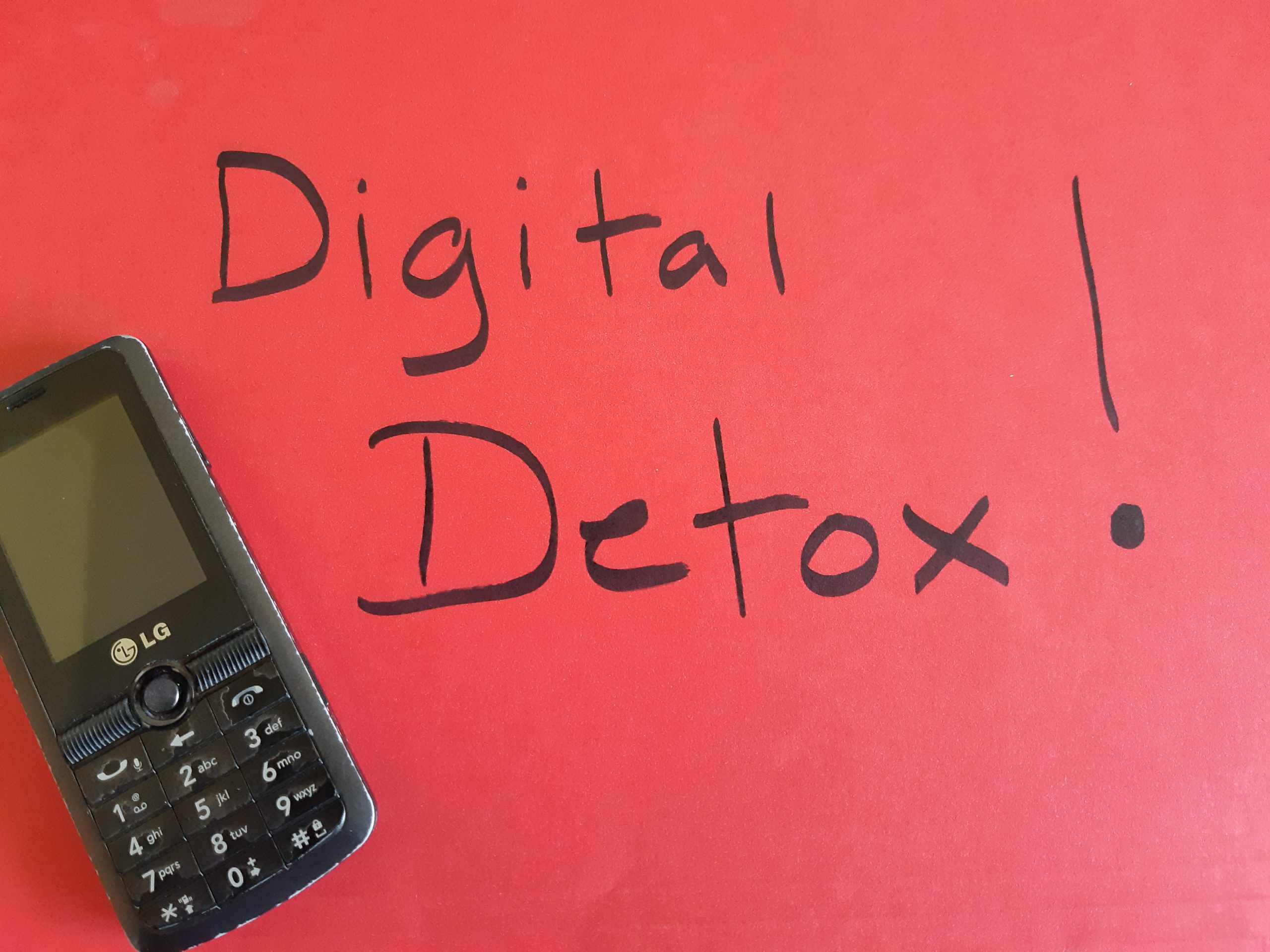
In 2017 I wrote about internet addiction or more precisely the dangers posed when we spend too much time on our devices.
Fast forward to spring 2020 where the world is a very, very different place. Thanks to COVID 19 our entire world has moved online. Everything from work, education, exercise, entertainment, weddings and funerals. The list is only limited by our ability to find new ways to share our lives via the internet.
We are now glued to our devices in ways we could never have imagined.
On the plus side technology is enabling us to continue working (for those who are lucky enough to be able to work from home), go to school, exercise, and socialize. I’ve been enjoying some amazing on-line yoga classes offered by a Canadian company based on Vancouver Island.
Even Toastmasters International has adapted to this new world by moving its meetings and speech contests online.
So, we have lots of positive things to be thankful for.
What’s the downside you might ask? Today, as in 2017, overuse of technology can do us harm.
Spending all day everyday in front of a computer or on our phones can lead to some negative consequences including depression, lack of energy, insomnia, anxiety and obesity. But now, with increased internet usage, the threat to our health is far worse and will be devastating unless we become aware and start protecting ourselves.
Because of the deadly COVID 19 virus everyone around the world is being asked to self-isolate. Stay home as much as possible except for infrequent but necessary trips to the grocery store or pharmacy. In Canada we are still encouraged to exercise outdoors as long as we keep our physical distance and stay 3 meters away from other people.
On my daily walks I have noticed that a) there are not many people out and about and, b) those that do venture outside are careful to keep a safe distance away from me.
Most of my day is spent indoors and like everyone else I spend too much time on the internet.
It may be time to consider doing a digital detox!
On her website, Celestine Chua writes about digital burnout and provides the following examples of things we can do to reduce or prevent this from happening:
- Opt out of receiving information that you don’t need and try and be aware of who you are connecting with and why.
- Spend less time on-line. Set aside 1 – 2 hours a day where you do something away from the computer or your other digital devices. Watch a movie, meditate, walk, listen to an audio book, do a puzzle, or play a board game.
- Don’t confuse internet with life. This is probably really difficult for the younger generation who have grown up using the internet. But as Celestine reminds us the internet is only a tool that we can use to make our lives better.
Celestine wrote this blog post before COVID 19 but her suggestions are as relevant today as they were back then.
We are being told that COVID 19 will eventually pass and the optimist in me believes that it will. But what the world will look like post-COVID is anyone’s guess. What we do know is that the vast majority of us will continue to spend a lot of our time on-line and as a result some of us will suffer from internet addiction. So, be aware, take stock of how much time you spend on-line and do something every day to un-plug.
Stay safe and stay connected!
Lesley